A gaming desk at night, lit by the monitor’s blue glow.

Build the gaming setup that fits how you actually play.

Setup check

Preview rules, version 0.1
  1. Game

    What do you play?

  2. What you play onPick a game first
  3. What feels wrongPick what you play on first
Setup status0 of 3 picked

Tell us what you play, what you own, what feels wrong, and what you want to spend. How You Game tells you what to change, what to buy, and when to buy nothing.

Player-first recommendations. Clear methodology. Buying links only when buying is the right move.

Five honest answers

Two of them cost nothing, and buying is never the starting point. Every setup check lands on one of these.

TUNE IT

Change settings, drivers or placement. It costs nothing.

Spend$0No purchase needed

KEEP IT

Your setup already fits how you play. Keep your money.

Spend$0No purchase needed
  • UPGRADE ONE THING

    One purchase

    One part is holding you back. Replace that and nothing else.

  • BUILD A PATH

    Planned over time

    Spread the upgrade over steps, in the order that pays off first.

  • SWITCH PLATFORM

    A different system

    Another platform fits how you play better than upgrading this one.

Players asked

The questions players put to each other, with the short answer.

  • It stutters in big fights. Do I need a new graphics card?

    Often not. Watch CPU use while you play before you buy a graphics card.

    Usually lands on TUNE IT

  • Will an SSD get me more frames?

    No. An SSD fits when load times are the problem, not frame rate.

    Long loads usually land on UPGRADE ONE THING

  • Nothing feels wrong. Should I upgrade anyway?

    Your setup already fits how you play. Keep your money.

    Usually lands on KEEP IT

Start with the game, not the gear

Every answer begins with what you actually play. A shooter chasing 240 fps and a flight sim holding a steady 40 need completely different things.
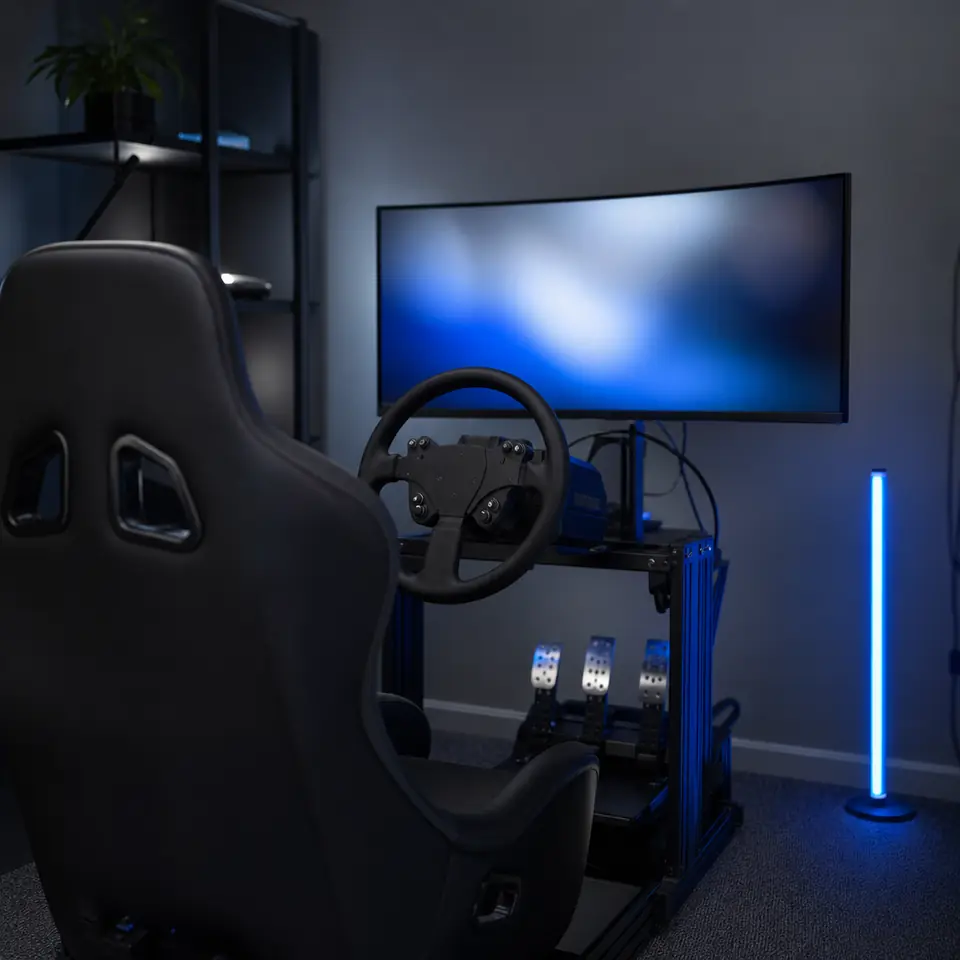
A sim racing cockpit set up in a spare room.

Popular game profiles

What each game leans on, and where it usually runs out of room. Tap one to start your match with it.

  • Competitive shooter

    Valorant

    Leans on
    Frame rate and input speed over looks
    Aim for
    A frame rate at or above your display’s refresh rate
    Where it runs out
    Usually the CPU
    Fills step 1 of 3
  • Competitive shooter

    Counter-Strike 2

    Leans on
    Steady frame times when a round gets hectic
    Aim for
    High refresh, with 1% lows that stay close to the average
    Where it runs out
    CPU and memory speed
    Fills step 1 of 3
  • Battle royale

    Fortnite

    Leans on
    It runs on almost everything; frame rate is the upgrade
    Aim for
    120 fps on current consoles, more on a high-refresh PC
    Where it runs out
    Settings, before hardware
    Fills step 1 of 3
  • Open-world RPG

    Cyberpunk 2077

    Leans on
    The graphics card, and how well it upscales
    Aim for
    60 fps at your display’s resolution, with upscaling on
    Where it runs out
    Graphics card
    Fills step 1 of 3
  • Party RPG

    Baldur’s Gate 3

    Leans on
    The CPU, once the city gets crowded
    Aim for
    60 fps is plenty for turn-based fights
    Where it runs out
    CPU in busy scenes
    Fills step 1 of 3
  • Flight sim

    Microsoft Flight Simulator 2024

    Leans on
    CPU, memory and a steady internet connection
    Aim for
    Smooth beats high: a steady 30 to 60
    Where it runs out
    CPU and memory
    Fills step 1 of 3
  • Sim racing

    iRacing

    Leans on
    A frame rate that never dips, then the wheel and pedals
    Aim for
    Match your display and never drop below it
    Where it runs out
    Frame-time consistency, then controls
    Fills step 1 of 3
  • Sandbox

    Minecraft

    Leans on
    Almost anything runs it; mods and shaders change that
    Aim for
    60 fps; shaders ask for a lot more
    Where it runs out
    Rarely the hardware
    Fills step 1 of 3

What is actually holding you back?

Start from the symptom. The cause is often cheaper than you think.
Close-up of a graphics card’s fans and heatsink fins.
  • It stutters when things get busy

    Likely cause
    Often the CPU, memory or something running in the background, before it’s the graphics card.
    First move
    Watch CPU use while you play before you buy a graphics card.
    Usually lands on
    TUNE IT
  • The frame rate is low all the time

    Likely cause
    Usually the graphics card, or settings set higher than it can carry.
    First move
    Try upscaling and medium shadows first.
    Usually lands on
    TUNE IT
  • It looks blurry or soft

    Likely cause
    Render resolution, upscaling or display scaling that doesn’t match your screen.
    First move
    Match the game’s resolution to your display.
    Usually lands on
    TUNE IT
  • Your controls feel slow

    Likely cause
    Display processing, a wireless setup or uneven frame pacing.
    First move
    Turn on your display’s game mode and cap the frame rate.
    Usually lands on
    TUNE IT
  • Load times drag on

    Likely cause
    A hard drive doing a job an SSD should be doing.
    First move
    Move the game to an SSD. That’s the whole fix.
    Usually lands on
    UPGRADE ONE THING
  • It’s loud, or it runs hot

    Likely cause
    Dust, airflow or fan curves.
    First move
    Clean it before you replace it.
    Usually lands on
    TUNE IT

Not sure which one is yours? The setup check sorts it out in three picks.

Match My Setup

When buying is the right move

We name the kind of thing that fixes it first. Prices come last. They’re listed by what they fix, never by price or payout.
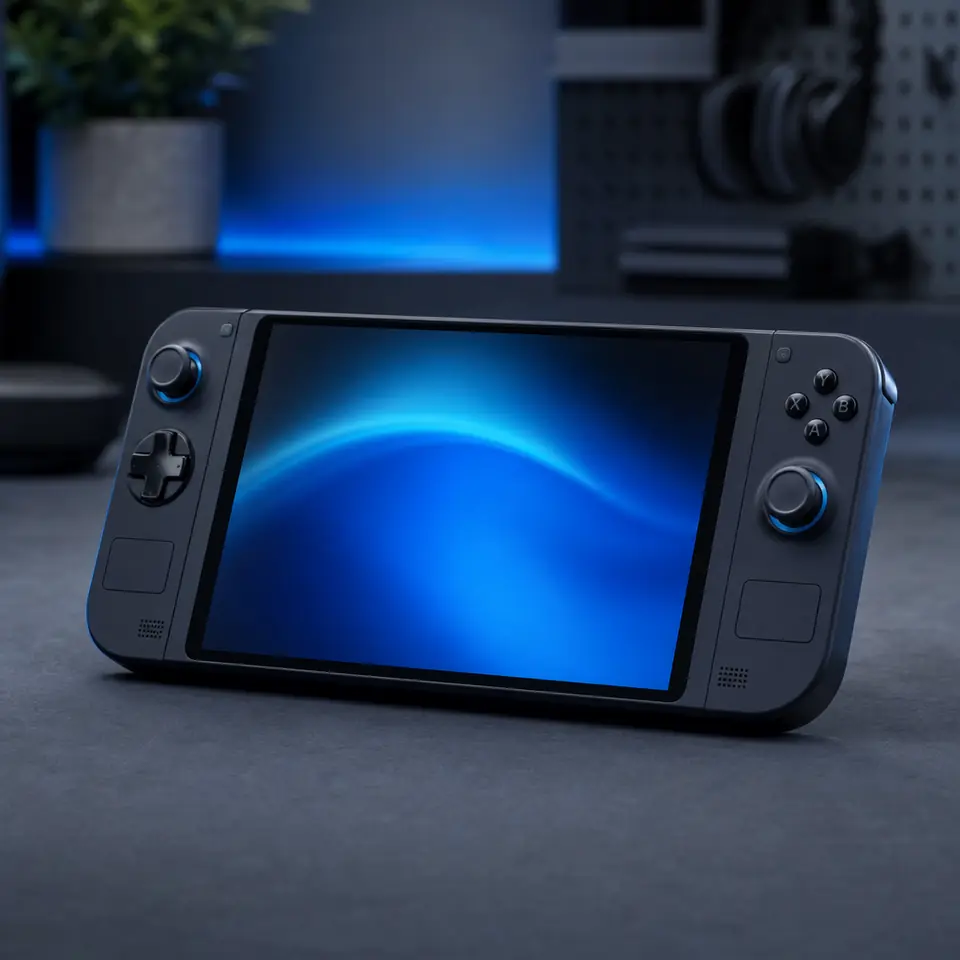
A handheld gaming PC resting on a slate surface.

$ under $200, $$ $200 to $600, $$$ over $600. Live prices are checked at the offer step.

When one part is the limit

  • High-refresh 1440p monitor

    Best forPC players whose frame rate already beats their screen

    See the Best Fit
    Fits when

    Your PC runs well past 60 fps but your display tops out at 60 Hz

    Price tier $$
  • Mid-range graphics card

    Best forDesktop PCs where the graphics card is the limit

    See the Best Fit
    Fits when

    GPU use sits near 100% and the CPU still has room

    Price tier $$
  • 1 TB NVMe SSD

    Best forAnyone still loading games from a hard drive

    See the Best Fit
    Fits when

    Load times are the problem, not frame rate

    Price tier $
  • Direct-drive wheel base

    Best forSim racers ready to move past a gear-driven wheel

    See the Best Fit
    Fits when

    Your frame rate is steady and the wheel is now the limit

    Price tier $$

When how you play changes

  • Handheld gaming PC

    Best forPlayers who game on the couch or the commute

    See the Best Fit
    Fits when

    Your library is on PC and your free time isn’t at a desk

    Price tier $$ to $$$
  • Standalone VR headset

    Best forTrying VR without buying a gaming PC first

    See the Best Fit
    Fits when

    You want VR more than you want a faster PC

    Price tier $$

How the engine works

Action first, product second, price last.

Every matchOnly when buying is the right move

  1. Tell us how you play

    Your games, what you play on, what feels wrong and what you’d spend.

  2. We choose the action

    Tune it, keep it, upgrade one thing, build a path or switch platform. Two of those cost nothing.

  3. We choose the kind of product

    If buying is right, we pick the class of thing that fixes it before we look at a single price.

    Only when buying is the right move
  4. We compare offers

    Price, stock, condition, warranty and returns, with the time we checked them.

    Only when buying is the right move
  5. You decide, then tell us if it worked

    We record whether the fix fixed it, and the rules get better for the next player.

Latest How You Game data

Original research on what players actually own, want and spend.

Player Compute Cost

Sample data, not findings

What the hardware behind your gaming costs per year, kept separate from games and subscriptions.

  • 1080p at 60 fps$160 per year
  • 1440p at 144 fps$390 per year
  • 4K at 120 fps$870 per year

The first move we recommend

Sample data, not findings
  • TUNE IT41%
  • UPGRADE ONE THING24%
  • KEEP IT18%
  • BUILD A PATH11%
  • SWITCH PLATFORM6%
No purchase neededA purchase

Planning an upgrade, by system age

Sample data, not findings
  • Under 2 years12%
  • 2–4 years31%
  • 5+ years58%

Real figures publish once enough players have shared their setups. These show the shape of what we’ll report.

Explore Player Intelligence
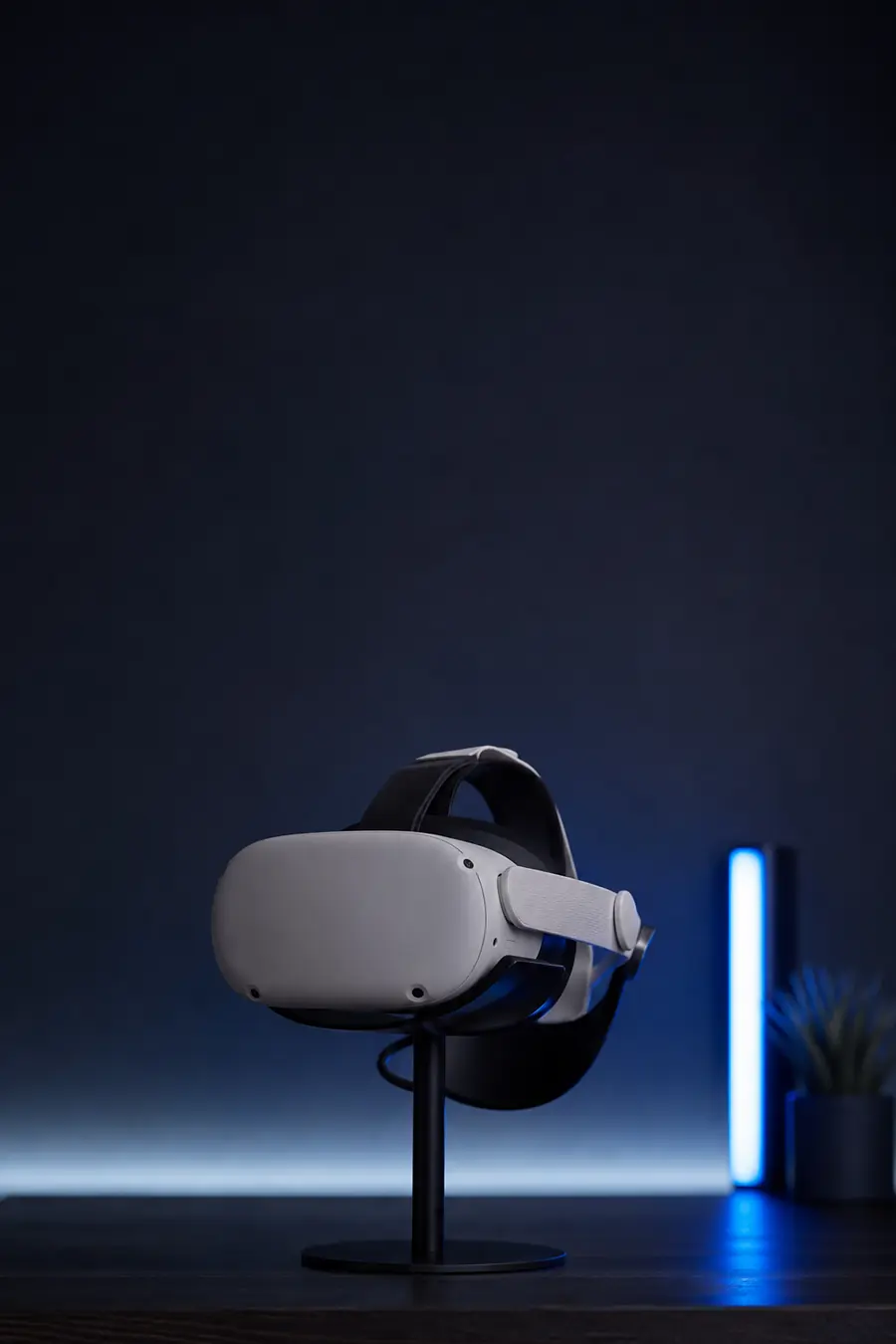
A VR headset resting on a stand on a dark desk.

How we decide, and what we won’t do

Rules in usePreview rules, version 0.1Updated October 2026
  • Action before product

    We decide whether to tune, keep, upgrade, build a path or switch before any product enters the picture.

  • Product before price

    The kind of product is chosen before we see prices or partner terms.

  • Payout never ranks

    No list on this site is ordered by what we earn.

  • Every answer shows its work

    Each recommendation keeps its inputs, rule version, confidence, reasoning and timestamp.

  • Buy nothing is an answer

    When the fix is free, that’s what we tell you.

Read the methodology

For studios and hardware makers

What are players actually using, wanting, upgrading and abandoning? Player Intelligence answers from permissioned, aggregated setups.

Explore Player Intelligence
A living room at night, a controller resting on the couch arm.

Save your setup

We’ll only email you when something worth buying changes for the games you play. No deal blasts.

Saving works best once you’ve run a match.

Match My Setup